Official Trezor.io Setup — Trezor.io/Start® Guide
In the fast-evolving world of cryptocurrency, security is paramount. For anyone serious about protecting digital assets, a hardware wallet is an essential tool, and Trezor stands out as a leader in the field. With its robust security features, user-friendly interface, and seamless integration with various wallets and exchanges, Trezor ensures your crypto holdings are safe from online threats. This comprehensive guide will walk you through the official Trezor.io setup process via Trezor.io/Start®, ensuring a secure and hassle-free experience from the very first step.
Why Choose Trezor?
Trezor is designed with security, simplicity, and reliability in mind. Unlike software wallets, hardware wallets store private keys offline, making them virtually immune to online hacking attempts. Trezor devices are compatible with a wide range of cryptocurrencies, including Bitcoin, Ethereum, and many altcoins, and they allow users to manage their assets with complete control. Additionally, Trezor features a recovery seed, PIN protection, and optional passphrase support, offering multiple layers of security.
Choosing Trezor ensures that you are investing in a device that is backed by years of development and a strong reputation in the crypto community. Whether you are a beginner or an experienced trader, Trezor makes it easy to secure and manage your digital wealth.
Getting Started with Trezor.io/Start®
Setting up your Trezor device is a straightforward process. The official setup guide is available at Trezor.io/Start®
, which walks you through each step, ensuring your wallet is configured correctly.
Step 1: Unbox Your Device
Begin by unboxing your Trezor device carefully. Inside, you will find the hardware wallet, a USB cable, recovery cards, and a quick start guide. It is crucial to ensure the package is intact and untampered with. Never use a device that shows signs of damage or tampering, as this could compromise your security.
Step 2: Connect and Initialize
Connect your Trezor device to your computer using the provided USB cable. Your device will display a welcome screen and prompt you to visit Trezor.io/Start®. This official site ensures you are using legitimate software and prevents phishing attacks. Follow the on-screen instructions to install the Trezor Bridge or Trezor Suite app, which allows your computer to communicate securely with the device.
Step 3: Firmware Update
Upon first connection, the device will check for firmware updates. Keeping your firmware up-to-date is critical, as it includes the latest security enhancements and features. Trezor will guide you through downloading and installing the firmware directly from the official website, ensuring your device remains secure.
Step 4: Creating a Backup
Next, you will generate a recovery seed, typically a 12- or 24-word phrase. This seed is the key to recovering your wallet in case your device is lost or damaged. Write the seed on the recovery card provided, and store it in a safe, offline location. Never store your recovery seed digitally, as this can expose you to hacking attempts. Trezor will verify the seed to ensure you have recorded it correctly.
Step 5: Setting Up a PIN
Trezor will prompt you to create a PIN code. This PIN adds an extra layer of security, preventing unauthorized access to your wallet even if the device is stolen. Each PIN entry is randomized on the device screen, ensuring that keyloggers cannot capture your code.
Step 6: Accessing Trezor Suite
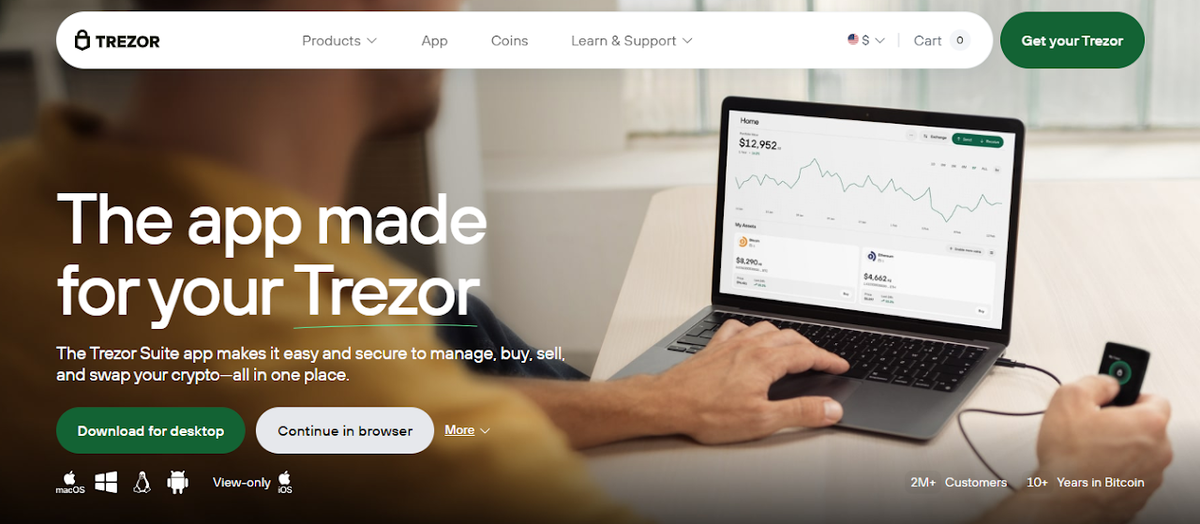
Once setup is complete, you can use Trezor Suite, the official software for managing your assets. Trezor Suite provides a clean interface to view balances, send and receive cryptocurrencies, and interact with supported apps and exchanges. The suite also includes portfolio tracking, security settings, and account management features.
Step 7: Exploring Advanced Features
Trezor offers advanced security features for power users. You can enable passphrases for additional protection, integrate with third-party wallets like Exodus or MetaMask, and even manage multiple accounts within the device. Trezor’s flexibility ensures it can grow with your crypto portfolio and security needs.
Best Practices for Trezor Security
- Always download software and firmware from official sources only.
- Never share your recovery seed with anyone.
- Keep your device and recovery seed in separate, secure locations.
- Regularly check for firmware updates.
- Use a strong PIN and optional passphrase for added security.
Conclusion
Setting up your Trezor hardware wallet via Trezor.io/Start® is a simple yet critical step in protecting your digital assets. From unboxing the device to creating a secure PIN and recovery seed, each step is designed to maximize security without sacrificing usability. By following this official guide, you can confidently manage your cryptocurrency portfolio, knowing your assets are safe from digital threats. Trezor not only provides top-notch security but also the peace of mind every crypto investor deserves.