Trezor Hardware Wallet: The Ultimate Guide to Secure Cryptocurrency Storage
In today’s digital age, cryptocurrency has become more than just a trend—it’s a serious financial asset class. With the rise of Bitcoin, Ethereum, and thousands of altcoins, securing your digital assets is no longer optional; it’s critical. One of the most trusted solutions for cryptocurrency security is the Trezor Hardware Wallet. In this comprehensive guide, we’ll explore what makes Trezor the go-to hardware wallet for crypto enthusiasts, how it works, its key features, and why it stands out in the crowded market of digital wallets.
What is Trezor Hardware Wallet?
The Trezor Hardware Wallet, developed by SatoshiLabs in 2014, was the first-ever hardware wallet designed to provide maximum security for cryptocurrencies. Unlike software wallets, which store private keys on an internet-connected device, Trezor stores your keys offline, making them virtually immune to hacking attempts, malware, and phishing attacks. By keeping your private keys offline, Trezor ensures that only you have access to your crypto assets.
Trezor is compatible with a wide range of cryptocurrencies, including Bitcoin, Ethereum, Litecoin, and more than 1,500 other tokens. This versatility allows investors to manage multiple digital assets securely in one place.
Why Security Matters in Cryptocurrency
Before diving deeper into Trezor’s features, it’s important to understand why hardware wallets are essential. Cryptocurrency transactions are irreversible. If your wallet is compromised and your funds are stolen, there’s no central authority to reverse the transaction. Unlike traditional banking, where fraud protection exists, cryptocurrency ownership relies entirely on private key security.
Software wallets, like mobile or desktop wallets, are convenient but vulnerable to hacks. Malware, phishing attacks, and keyloggers can easily compromise your assets. Hardware wallets like Trezor solve this problem by keeping your private keys offline and signing transactions securely without exposing sensitive information to the internet.
Key Features of Trezor Hardware Wallet
1. Offline Storage
Trezor stores your private keys offline in the device, meaning your sensitive information never touches your computer or the internet. This feature drastically reduces the risk of cyberattacks and ensures your funds remain secure even if your computer is compromised.
2. User-Friendly Interface
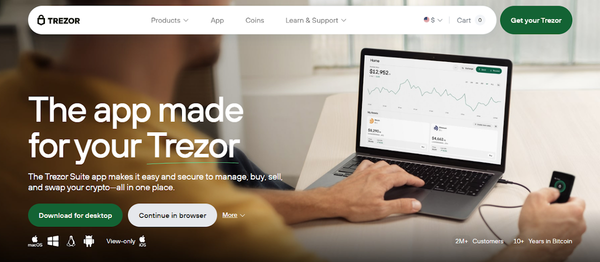
Trezor is designed for both beginners and experienced crypto users. Its intuitive interface, accessible through Trezor Suite—a dedicated desktop and web application—allows you to easily manage your assets, check balances, and perform transactions without technical hassle.
3. Multi-Currency Support
Whether you’re holding Bitcoin, Ethereum, or other altcoins, Trezor supports over 1,500 cryptocurrencies. This makes it ideal for investors who diversify their portfolios and want a single secure solution for all their digital assets.
4. Backup and Recovery
Trezor provides a 24-word recovery seed during the initial setup. This seed acts as a backup of your wallet. If your device is lost, stolen, or damaged, you can recover your funds on a new Trezor device or compatible wallet. The recovery process is simple, making Trezor highly reliable for long-term crypto storage.
5. Passphrase Protection
For an extra layer of security, Trezor allows you to set a passphrase in addition to your PIN. This creates a “hidden wallet” accessible only with your passphrase, keeping your most sensitive assets protected even if your main wallet is compromised.
6. Open-Source Security
Trezor’s software and firmware are open-source, allowing the global developer community to audit the code for vulnerabilities. This transparency ensures that Trezor adheres to the highest security standards and builds trust among users worldwide.
How to Use Trezor Hardware Wallet
Getting started with Trezor is straightforward. Here’s a step-by-step guide:
- Purchase a Trezor Device: Buy from the official Trezor website or authorized resellers to avoid counterfeit products.
- Connect to Trezor Suite: Use a USB cable to connect the device to your computer and open Trezor Suite.
- Set Up Your Wallet: Follow the on-screen instructions to create a new wallet. During setup, you’ll generate a 24-word recovery seed—write it down and store it safely offline.
- Secure Your Device: Set a PIN and optional passphrase to protect your wallet.
- Manage Your Assets: You can now send, receive, and monitor your cryptocurrencies securely.
Why Trezor Stands Out
While there are other hardware wallets on the market, Trezor consistently ranks as a top choice for several reasons:
- Proven Track Record: Trezor has been protecting crypto assets since 2014 without any major security breaches.
- Regular Firmware Updates: The device receives frequent updates to improve functionality and security.
- Community Trust: With millions of devices in circulation, Trezor has built a loyal global user base.
- Compatibility: Trezor works seamlessly with popular third-party wallets and exchanges, giving users flexibility in managing their crypto holdings.
Final Thoughts
Investing in cryptocurrency is exciting, but it comes with significant responsibility. Protecting your digital assets should be a top priority, and the Trezor Hardware Wallet offers one of the most reliable solutions available. By keeping your private keys offline, providing user-friendly management tools, and offering advanced security features like passphrase protection and recovery seeds, Trezor empowers users to take full control of their crypto assets with confidence.
Whether you’re a seasoned trader or just starting your crypto journey, securing your investments with a Trezor Hardware Wallet is a smart, proactive step. Remember, in the world of digital assets, security is not just an option—it’s the foundation of successful investing.