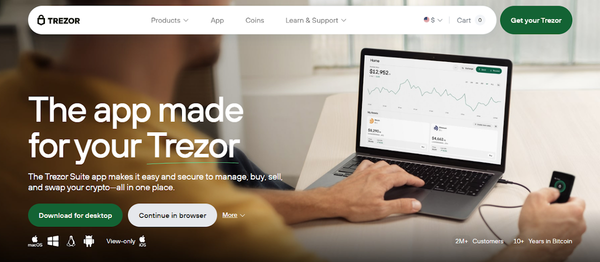
Trezor Bridge: The Essential Connection for Your Trezor Hardware Wallet
In the fast-evolving world of cryptocurrency, ensuring the security and accessibility of your digital assets is paramount. Trezor, a leading hardware wallet provider, has consistently delivered solutions that prioritize safety without compromising convenience. One key component in the Trezor ecosystem is Trezor Bridge, a small but crucial application that acts as the gateway between your Trezor device and your computer’s web browser.
What is Trezor Bridge?
Trezor Bridge is software designed to facilitate communication between a Trezor hardware wallet and a web browser on your desktop or laptop. When you access Trezor’s web interface at trezor.io/start
, your browser alone cannot directly interact with the hardware device due to security restrictions in modern operating systems. Trezor Bridge solves this problem by acting as a secure intermediary, allowing your browser to send commands to the Trezor device while keeping your private keys isolated and protected.
Without Trezor Bridge, users might encounter connectivity issues, failed transactions, or inability to manage their crypto assets efficiently. Therefore, installing the latest version of Trezor Bridge is a critical first step for anyone using a Trezor wallet.
Key Features of Trezor Bridge
- Secure Communication: Trezor Bridge ensures that all data exchanged between the hardware wallet and your computer is encrypted, preventing any unauthorized access to sensitive information such as private keys and recovery seeds.
- Cross-Platform Compatibility: Trezor Bridge is available for Windows, macOS, and Linux, making it accessible to a wide range of users. This compatibility ensures that no matter your operating system, your Trezor device can function seamlessly.
- Automatic Device Detection: Once installed, Trezor Bridge automatically detects connected Trezor devices. This eliminates the need for complex setup procedures and allows users to start managing their cryptocurrencies almost immediately.
- Seamless Browser Integration: Trezor Bridge works behind the scenes to integrate with web browsers, including Chrome, Firefox, and Edge. Users can access Trezor Suite or other compatible platforms without worrying about technical hurdles.
- Regular Updates: Trezor regularly updates the Bridge software to enhance compatibility, fix bugs, and improve security. Keeping the software up to date ensures smooth operation and protection against potential vulnerabilities.
How to Install Trezor Bridge
Installing Trezor Bridge is straightforward. Here’s a step-by-step guide:
- Download the Latest Version: Visit trezor.io/start
- and select your operating system. Download the appropriate installer for your platform.
- Run the Installer: Follow the on-screen instructions to install Trezor Bridge on your computer. For macOS and Windows, the installation process is guided and requires minimal input.
- Connect Your Trezor Device: Plug your Trezor hardware wallet into your computer using the provided USB cable. Trezor Bridge will automatically recognize the device.
- Access Trezor Suite or Web Wallet: Open your browser and navigate to the Trezor web interface. The browser will now communicate with your Trezor wallet via the Bridge software, enabling secure management of your crypto assets.
- Keep the Software Updated: Always check for updates from Trezor to maintain security and compatibility with the latest hardware and browser versions.
Why Trezor Bridge is Important
While it might seem like a small component, Trezor Bridge plays a pivotal role in ensuring the security and functionality of your Trezor wallet. By providing a secure communication channel, it prevents unauthorized access to your sensitive data. Additionally, its compatibility with multiple operating systems and browsers ensures that managing your crypto assets remains hassle-free.
For users who frequently manage transactions, track balances, or interact with decentralized applications, Trezor Bridge ensures that these actions are executed smoothly and securely. Without it, the connection between your hardware wallet and your computer could be unreliable, leading to potential delays or errors.
Troubleshooting Common Issues
Even though Trezor Bridge is designed to work seamlessly, users may occasionally encounter issues. Common problems include:
- Device Not Detected: Ensure the USB cable is properly connected and that your device is unlocked.
- Browser Compatibility: Use an up-to-date browser like Chrome, Firefox, or Edge.
- Outdated Bridge Version: Always install the latest version from the official Trezor website.
- Firewall or Security Software Interference: Temporarily disable firewalls or antivirus programs if connection issues persist.
Following these tips usually resolves most connectivity issues quickly.
Conclusion
Trezor Bridge is an essential tool for anyone using a Trezor hardware wallet. It bridges the gap between your device and web browsers, enabling secure and efficient management of cryptocurrency assets. By understanding its functions, keeping it updated, and following proper installation steps, users can enjoy a smooth and secure crypto experience. Whether you are a beginner or an experienced crypto investor, Trezor Bridge ensures that your journey in the digital asset world is both safe and convenient.